During a series of meetings with executives from leading data center management companies, former U.S. President Donald Trump secured oral commitments from them to independently finance the construction of new power plants. The initiative aims to address the growing problem of energy shortages, which is exacerbated by the explosive growth in energy consumption from the AI industry and cloud services. Specific amounts and timelines were not disclosed publicly, but the discussion involves multibillion-dollar investments in generation that will exclusively cover the needs of new data centers.
The context of this initiative is a mounting crisis in the power grids of several states where the construction of giant AI data centers is planned. Their energy consumption is comparable to that of a large city, creating a colossal load on the grids and forcing energy companies to hastily upgrade infrastructure, often at the expense of ordinary consumers. Trump, who is focusing on the themes of energy independence and reducing grid load, positions this agreement as a way to shift the burden of costs from taxpayers and ordinary users to the corporations profiting from these operations.
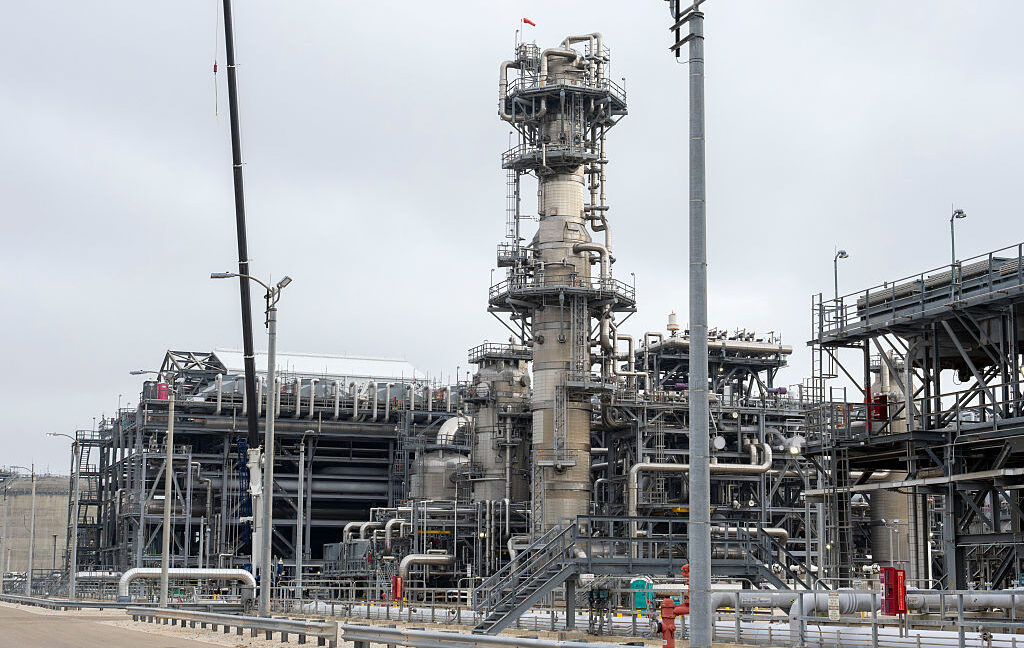
Technically, the commitments imply that the operating companies (reportedly including representatives from the cloud services sector and giants like Amazon Web Services, Google, and Microsoft) will directly invest in the construction of gas power plants or, less frequently, renewable energy facilities near their new complexes. This could take the form of direct financing, long-term power purchase agreements (PPAs), or the creation of joint ventures with energy companies. A key detail is that the new capacity must be "additional" and not take existing resources away from other consumers.
The reaction from experts and market analysts is skeptical. Many point out that such oral promises, achieved through political pressure, lack legal force and enforcement mechanisms. "This looks more like a PR move within an election campaign than a real plan. Who and how will fine a giant corporation if it delays building a power plant for five years?" asks energy analyst Michael Lee. Additionally, the questionable economics are emphasized: building one's own generation is a capital-intensive and lengthy process that could slow the deployment of the data centers themselves and increase their costs.
For the industry and end users, the consequences are twofold. On one hand, if the agreement is implemented, it could reduce the pressure on household tariffs and prevent potential rolling blackouts in regions with a high concentration of data centers. On the other hand, the enormous capital expenditures will inevitably be passed on by the companies to their clients, meaning businesses using cloud and AI services. In the long term, this could contribute to further market centralization and consolidation, where only players with the deepest pockets, capable of financing entire power plants, will survive.
The prospects for the initiative remain unclear. Its implementation will depend entirely on the goodwill of the corporations and possible future regulatory pressure if Trump returns to power. Key questions remain open: whether an official fund or control mechanism will be created, how the rights to the generated energy will be distributed, and what will happen if a data center closes but the power plant remains. For now, this event highlights the growing geopolitical and infrastructural role of data centers, which are transforming from IT facilities into major players in the energy market, forced to independently ensure their "livelihood" in conditions of exhausted grid capacity.
No comments yet. Be the first!