
Loamly
Identifies and tracks website traffic specifically generated by AI chatbots like ChatGPT and Claude.
Are you the owner?
Claim this tool to publish updates, news and respond to users.
Sign in to claim ownership
Sign InDescription
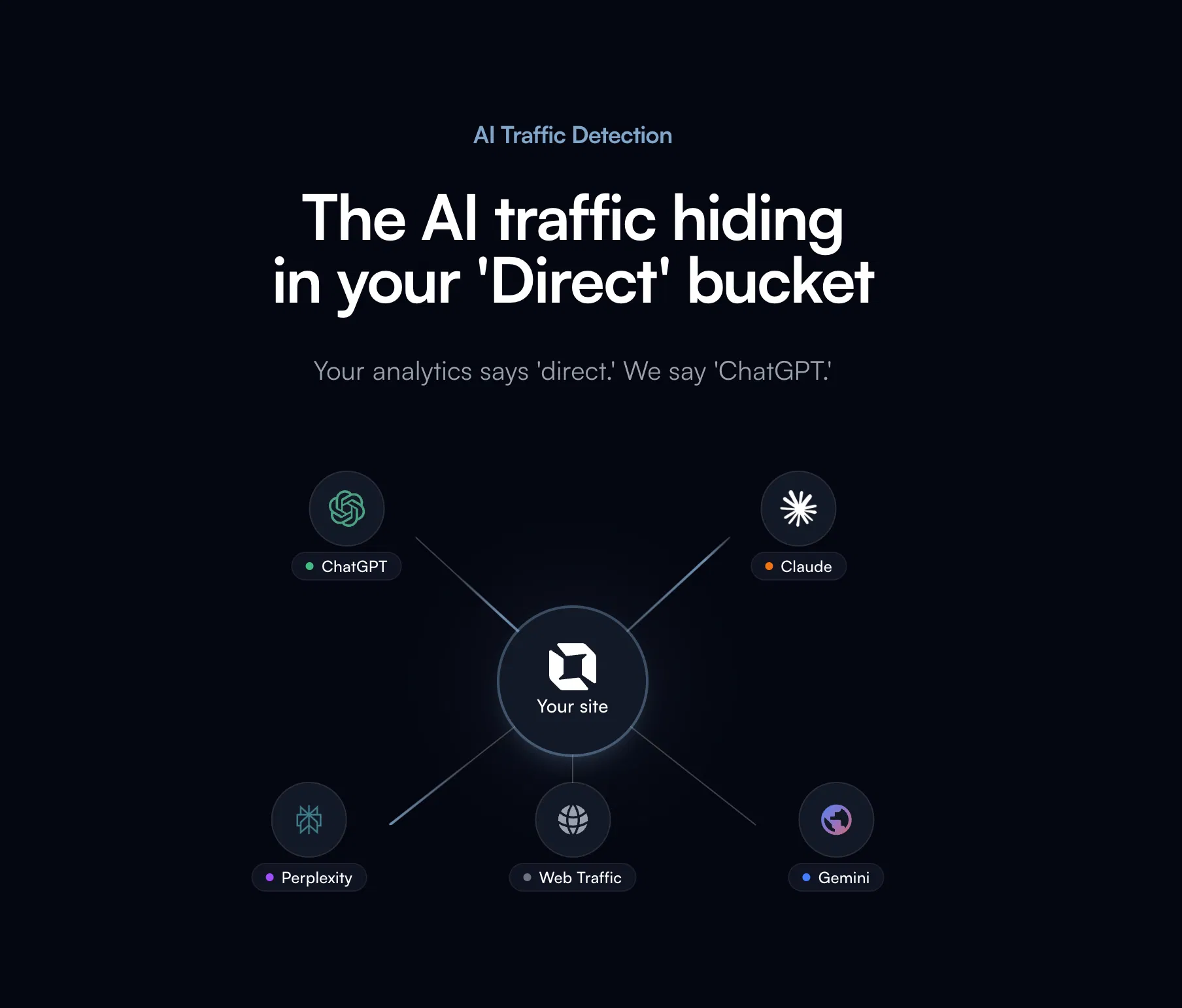
Loamly is a specialized web analytics platform created to solve a modern visibility gap by tracking traffic originating from AI chatbots. Developed to address the limitations of conventional analytics tools, its core value lies in providing website owners with clear insights into how AI agents interact with their content, revealing a previously hidden source of visits and user behavior. This allows businesses and content creators to understand their true reach in the age of AI-driven browsing and search.
Key features include the precise identification of referrals from major AI platforms such as OpenAI's ChatGPT, Anthropic's Claude, Google's Gemini, and Perplexity AI. It distinguishes this AI-sourced traffic from standard organic or direct visits within its dashboard. The platform tracks key metrics for these interactions, including page views, session duration, and geographic distribution of AI users. Furthermore, it can monitor specific queries or prompts that led the AI to visit the site, offering a glimpse into the intent behind the traffic.
What makes Loamly unique is its singular focus on AI referrals, a segment that tools like Google Analytics typically miscategorize or lump into generic direct traffic. Technically, it employs advanced fingerprinting and parsing techniques to detect the unique signatures of AI chatbot requests. The platform operates as a cloud-based SaaS solution, requiring users to integrate a small tracking snippet onto their website, similar to traditional analytics codes. It is designed for ease of use with a clean, intuitive interface that presents AI-specific data separately from other analytics streams.
Ideal for digital marketers, SEO specialists, content strategists, and website owners who need to measure their visibility and performance within AI ecosystems. Specific use cases include optimizing content to be more effectively cited or summarized by AI assistants, understanding which resources are most valuable to AI researchers, and accurately attributing traffic sources to adjust marketing strategies. It is particularly valuable for publishers, SaaS companies, and informational sites whose content is frequently accessed as reference material by large language models.